Installation alone doesn’t confirm a mitigation system is effective — verification through retesting is the only way to know for certain.
- Retest within 30 days using the same device type and location as your pre-mitigation test.
- A working system should bring levels well below the action level; the retest tells you by how much.
- Ask your contractor what reduction percentage is realistic for your specific situation.
- Annual retesting confirms ongoing performance beyond the initial verification.
The Retest Itself
A retest within 30 days of installation, using the same type of device and placement location as your original pre-mitigation test, provides the clearest before-and-after comparison. Comparing results from different device types or locations introduces variables that make the comparison less reliable.
What a Good Result Looks Like
A well-functioning system should cut levels sharply from the pre-mitigation baseline, usually bringing a home well below the 4 pCi/L action level. Ask your contractor what specific reduction percentage is realistic for your pre-mitigation level and foundation type.
Ongoing Verification
Beyond the initial 30-day retest, annual retesting (or continuous monitoring) confirms the system continues performing over time, since fan failure or seal degradation can gradually erode effectiveness years after a successful initial installation.

Closed-House Conditions Make the Comparison Valid
A verification retest is a comparison, and a comparison is only as good as the conditions on both sides of it. Short-term tests are meant to be run under closed-house conditions: windows and exterior doors kept shut apart from normal entry and exit, and whole-house fans, window fans and unnecessary ventilation left off, both for a period before the test and throughout it.
This matters more after mitigation than before, because the failure is flattering. A retest run with the house aired out will return a low number whether or not the system is doing anything, and you will file that number as proof. Note the conditions with the result. A retest you cannot describe the conditions for is not a verification, and a good lab report asks about them for exactly this reason.
Check the System, Not Only the Number
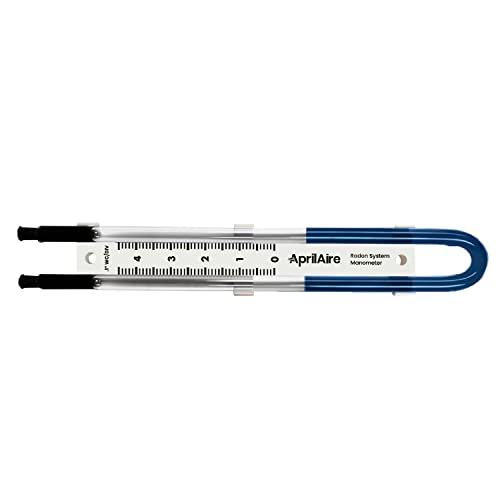
A single good reading tells you the level was low during one window. A short physical inspection tells you whether it is likely to stay that way. Look at the pressure gauge on the pipe and learn what a working reading looks like on yours, so a change is obvious later. Confirm the fan is running and mounted outside the lived-in space, that the exhaust terminates above the roofline and away from windows and air intakes, that the suction point and any sump cover are sealed, and that the system carries a label identifying the installer.
Then write the verification down and keep it. The installation paperwork, the warranty, the gauge reading at handover and the retest result belong together in one place. That file is what answers a buyer’s questions later, and it is also what lets you or a contractor tell, years from now, whether a reading has drifted or has always looked like that.
FAQ
Is a 30-day retest enough, or should I test again later?
The 30-day retest confirms initial installation success. Annual retesting afterward confirms the system continues working over time as components age.
Don’t skip verification testing — an installed system that isn’t confirmed working provides false reassurance, not actual protection.
These statements have not been evaluated by the Food and Drug Administration. This information is not intended to diagnose, treat, cure, or prevent any disease. Content is for informational purposes only and is not medical advice; consult a qualified healthcare provider before starting any supplement. As an Amazon Associate we earn from qualifying purchases.
