Radon levels aren’t fixed for life — they shift with construction, weather, and mitigation system performance. A retesting schedule keeps you from relying on outdated data.
- Retest every two years as a baseline, even with no changes.
- Retest after renovations that affect air sealing or finished basement space.
- Retest 30 days after mitigation installation, then annually.
- A continuous monitor removes the need to remember a manual schedule.
General Retesting Interval
The EPA recommends retesting every two years even without any changes to your home, since soil conditions and building settling can shift indoor radon levels gradually over time.
A continuous monitor left in place removes the need to remember a retest schedule, since it tracks levels ongoing rather than as a periodic snapshot.
When to Retest Sooner
Retest after any major renovation that changes air sealing (new windows, insulation, foundation repair), after finishing a previously unfinished basement (changing it into lived-in space), and after any HVAC system replacement that alters home ventilation.
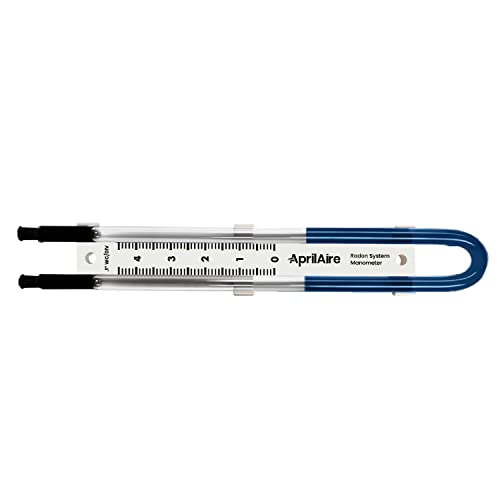
If you’ve had a mitigation system installed, retest within 30 days of installation, then annually to confirm the system continues working.

Where the Two-Year Interval Comes From
The two-year figure is guidance rather than a legal requirement. EPA’s guidance on knowing whether a radon reduction system is working states that it is a good idea to retest the home at least every two years to be sure radon levels remain low. The same interval appears on the transaction side, where a test that is not recent is one of the stated reasons a buyer may ask for a new one.
The reasoning is that a radon measurement has a shelf life. It describes the house as it was, under the conditions in place at the time. Soil gas entry depends on the pressure difference between the ground and the interior, and that difference moves with weather, with the heating season, and with anything that changes how the building breathes. A number that was accurate three winters ago is not evidence about this one.
Living-Pattern Changes Count, Even When the Building Does Not
The trigger most often missed is the one where nothing is built or altered at all. EPA’s guidance is explicit that if living patterns change and you begin occupying a lower level of the home, such as a basement, you should retest your home on that level. Concentrations are generally highest in the lowest occupied part of a house, so a measurement taken on the main floor does not describe the basement bedroom someone has just moved into, or the lower-level office where a person now spends eight hours a day.
The same guidance notes that even a result below the action level may be worth testing again at some point in the future. A low reading is a reason not to act now. It is not a permanent finding about the house.
Why Envelope and HVAC Work Resets the Clock
Renovations matter here for a mechanical reason rather than a cosmetic one. Air sealing, replacement windows, added insulation and foundation repair all change the pressure relationship between the soil and the house. Tightening the envelope removes leakage paths that used to relieve that pressure, and equipment that moves air out of the building, a replaced furnace, a larger range hood, an upsized bath fan, can increase the depressurization that draws soil gas through the slab.
None of this is visible from inside and none of it announces itself, which is why the retest list reads as a list of things that changed the building’s air behaviour rather than a list of things that look like radon problems.
FAQ
Do I need to retest if nothing has changed in my home?
Yes — the EPA still recommends retesting every two years since soil conditions and building settling can shift levels gradually even without renovations.
This is a general schedule. Follow any more specific guidance provided by your state radon program or mitigation contractor.
These statements have not been evaluated by the Food and Drug Administration. This information is not intended to diagnose, treat, cure, or prevent any disease. Content is for informational purposes only and is not medical advice; consult a qualified healthcare provider before starting any supplement. As an Amazon Associate we earn from qualifying purchases.