Radon test reports and mitigation quotes use a specific vocabulary that isn’t always explained. This glossary covers the terms you’re most likely to encounter, in plain language.
- pCi/L is the standard U.S. radon measurement unit; 4 pCi/L is the EPA action level.
- Short-term, long-term, and continuous monitors each serve different testing purposes.
- ASD (active sub-slab depressurization) is the standard mitigation method.
- NRPP/NRSB certification indicates a professional has passed proficiency testing.
Measurement Terms
pCi/L (picocuries per liter): the standard U.S. unit for radon concentration in air. The EPA’s action level is 4 pCi/L, meaning mitigation is recommended at or above this level.
Becquerel (Bq/m³): the metric equivalent unit used in some countries and occasionally on imported devices; roughly 37 Bq/m³ equals 1 pCi/L.
Action level: the concentration threshold (4 pCi/L in the U.S.) at which the EPA recommends taking mitigation action.[1] It’s a recommendation, not a legal requirement, though some states and real estate transactions treat it as a practical benchmark.
Testing Terms
Short-term test: a 2-7 day test using a charcoal canister or electret ion chamber, typically used for initial screening or real estate transactions.

Long-term test: a 90-day-to-one-year test using alpha-track detectors, giving a more representative annual average.
Continuous radon monitor (CRM): an electronic device that logs radon levels continuously and displays both short-term and long-term averages, often with a smartphone app.
Mitigation Terms
ASD (Active Sub-slab Depressurization): the standard residential mitigation method — a fan-driven system that draws soil gas from beneath the foundation and vents it above the roofline before it enters the home.
Manometer: a simple pressure gauge installed on a mitigation system’s pipe to confirm the fan is creating negative pressure (working correctly) beneath the slab.
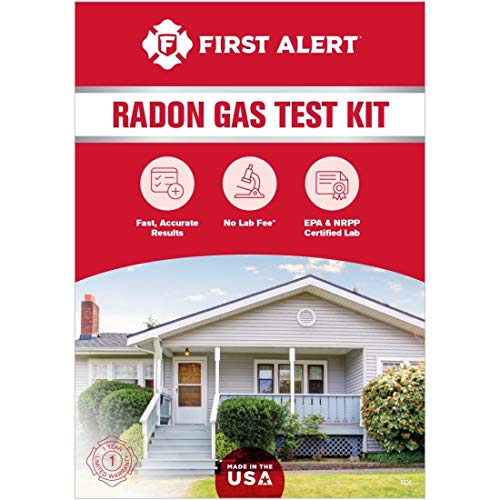
NRPP / NRSB certification: credentialing bodies (National Radon Proficiency Program, National Radon Safety Board) that certify radon measurement and mitigation professionals through training and proficiency testing.
Diagnostic and System Terms
Sub-slab communication: how freely air moves through the material under your slab. A contractor tests it before choosing a design, because good communication means one suction point can influence the whole slab, while poor communication may require several.
Soil gas: the air already present in the ground beneath and around the foundation. Radon travels as part of it, which is why mitigation is described as controlling soil gas rather than filtering the air indoors.
Passive versus active system: a passive system relies on natural pressure differences and stack effect through a sealed vent pipe. An active system adds a fan. The rough-in for a passive system is what makes a later upgrade to active cheap.
RRNC: radon-resistant new construction, the set of features built into a home during construction so that mitigation is either unnecessary or simple to add.
Report and Paperwork Terms
Closed-house conditions: keeping windows and exterior doors shut, apart from normal entry and exit, before and during a short-term test. A result taken without them understates the level, which is why a lab report states whether they were maintained.
Screening versus follow-up measurement: a screening measurement is a first look, usually short. A follow-up measurement is what you act on, and it is either longer or repeated. A quote written off a single screening result is being written off the weaker of the two.
Chain of custody and tamper indication: the record of who handled a device and when, plus features that reveal whether it was moved or opened. These exist because radon results carry real money in a sale, and a result nobody can vouch for is not usable in a negotiation.
FAQ
What does ‘4 pCi/L’ actually mean for my health decision?
It’s the concentration threshold at which the EPA recommends mitigation. It isn’t a hard safety cutoff — risk increases with any exposure — but it’s the practical benchmark used for action decisions.
Is NRPP or NRSB certification required by law?
Requirements vary by state. Some states mandate certification for anyone performing radon measurement or mitigation professionally; others don’t, though certification is still a good indicator of training.
This glossary is for general orientation. Refer to your specific test report or contractor’s documentation for terms not covered here.
References
- Health Risk of Radon U.S. Environmental Protection Agency (2026). U.S. Environmental Protection Agency
These statements have not been evaluated by the Food and Drug Administration. This information is not intended to diagnose, treat, cure, or prevent any disease. Content is for informational purposes only and is not medical advice; consult a qualified healthcare provider before starting any supplement. As an Amazon Associate we earn from qualifying purchases.
